This was by far the toughest, most epic, most terrifying, and most spectacular race (nay, experience) I have ever participated in. And I only got through half of it!
It is a cliche that getting to the start is the hardest part: we nearly proved it true this time. It all started when I threw out my back 6 weeks before the race. Prime training time. This was the second time this year so not only was there the work to recover from the acute injury, and build my fitness back, but also worrying about the spectre of throwing my back out on the race course. Coaching and physical therapy were amazing tools to get the body where it needed to be. Certainly not 100%: I was avoiding lifting gear boxes myself. But enough to feel good going out.
But injuries are relatively easy to diagnose. Due to the back I had to push back some gear checks. In particular the packraft. I was not too concerned because it had just been in storage. So it was quite a shock when I took it out the weekend before we left for New Zealand and about 30 minutes into the test paddle we started sinking. All along the t-zip (the nominally waterproof zipper that lets you access the inner volume) there were bubbles spurting out. Not good. Some frantic googling suggested that t-zip lube should help. Disaster averted… until 24 hours later and a retest showed it was still leaking, but now from the seams! I ordered a large bottle of sealant and given how long it takes to dry this is now a New Zealand problem.
The transpacific flight was uneventful as one might expect 14 hours sitting on a plane to go. It’s remarkable how far we went for just a 3hr time zone difference. The NZ legs of the journey were a little more eventful: most of the team made it out of biosecurity too late to recheck our luggage so had to take the next flight. So we were shocked when we turned up in Queenstown first: the original flight diverted, with our last teammate aboard, to Inverness due to high winds. The race picked us up in the most dirtbag (compliment) van we’ve ever seen (and we narrowly avoided having to get out and push on the hills). But we made it successfully to our Airbnb in the charming town of Gore.
As our third expedition race the prep logistics were pretty easy so we could give full attention to our packraft problem. Precision and subtlety were discarded in favor of brute force: slathering the sealant all over the t-zip seams. It was not successful but did slow the leaks. We briefly thought a rental boat would be our savior but turns out that it too leaked (from the valve this time). We decided to go with the devil we knew and packed up our boat with a blow tube to inflate while we moved.
The race started dark, cold, and wet. We had a group ride to a park but we quickly got dropped. I led us in a pace line to bridge back up but the rest of our team lost steam just a bit away from linking up and we weren’t going to burn any matches this early in the race. The teams that came along and drafted behind us made it though: building up good karma early I guess.
At the park we went orienteering. The scale of the map threw me a bit: the twists of the trail were much more vague than expected so I turned us around early on our way to the first CP (checkpoint) due to lack of confidence in our location. That bobble out of the way we found our way without incident through the rest just tolerating more vagueness than I’d prefer. My favorite CP was the waterfall in the park which felt epic but was merely a hint of what was to come.
There were three types of checkpoints for us to discover with varying value: 100 for regular checkpoints, 10 for “pro points”, and 1 for orienteering points. The race directors use this to suggest prioritization: obviously the top teams will get them all so the point values don’t matter. A midpack team might wish to get all the checkpoints and try for a couple pro points but probably shouldn’t waste any time on orienteering points. Thus we planned to skip all of the orienteering points (6 of which were in the park), which put us towards the front of the pack leaving.
We came back into town to get into our packrafts. The river was fairly chill except for the occasional weir: a sudden foot-high drop in the river. These were fun to drop down except when our boat was running low on air. We found this out the hard way dropping down and fully folding in half (I joked that we could have spiderman kissed). So we made sure to aggressively blow into our tube to top ourselves off before these sections. The highlight of this leg was the portage around a much bigger waterfall in Mataura. We scrambled along the rocks on the side with our boats in the middle of this abandoned industrial site. It was otherworldly.
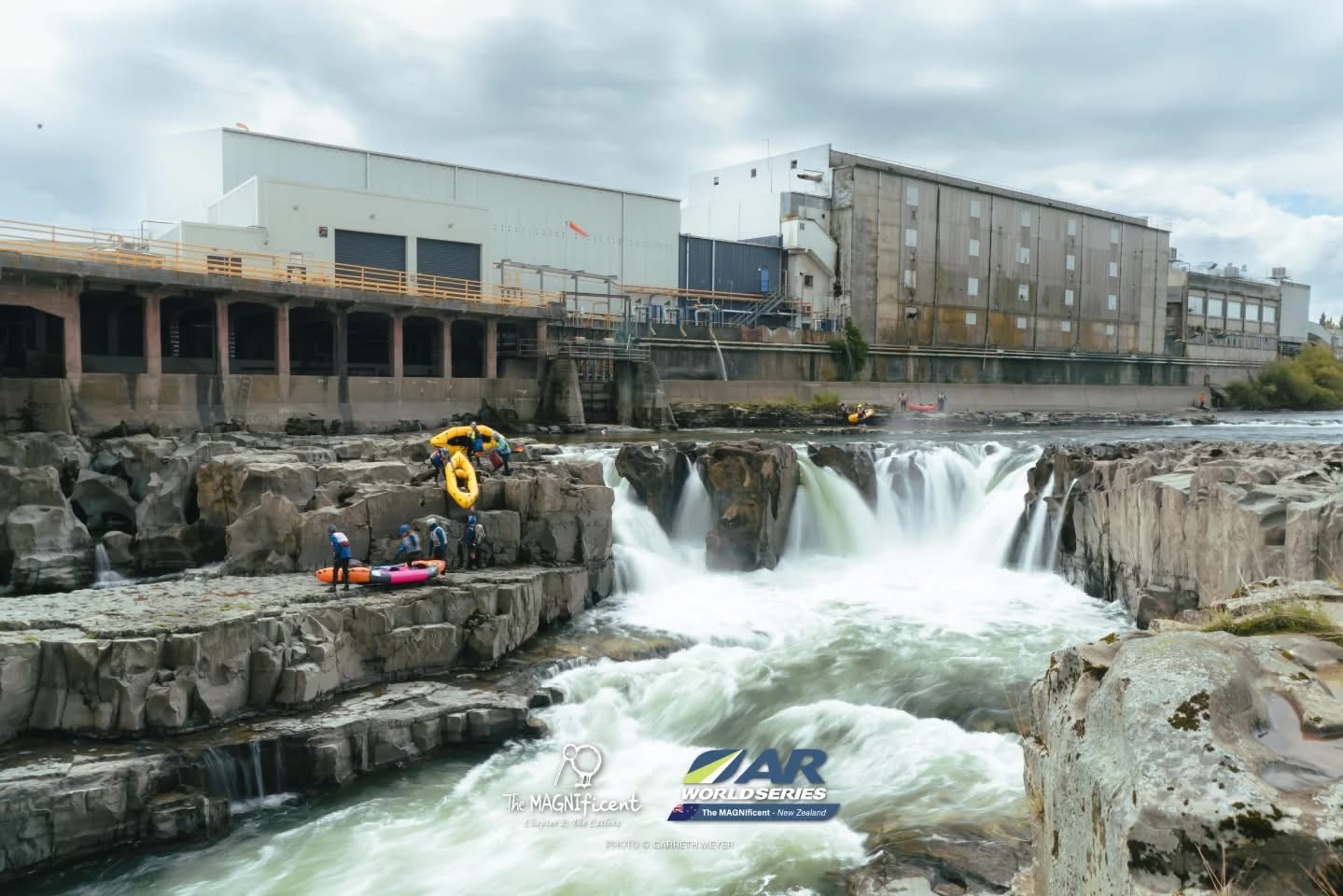
Figure 1: Portaging around Mataura Falls
After the paddle we were back on the bikes. We opted out of another set of pro and orienteering points which came along with an epic bikewhack (downhill at least). For those not in the know: bikewhacking is pushing your bike through the brush off trail. One of the teams apparently spent 5 hours travelling 1 kilometer in this section. So good choice to skip. The ride was not entirely uneventful, we had one crash for dumb reasons (adjusting helmet while moving) and a close call as we were descending through some canyons just as some teenagers in muscle cars were racing up. Not my favorite discipline by a long shot.
We arrived around midnight to the start of the next trekking stage. Seeing the terrain we thought it wise to wait until first light. We bunked down in our bivies huddled together like sardines. Because it was rainy we couldn’t use our down sleeping bag. This was a terrible mistake. We shivered through 3 hours until we all realized that none of the others were sleeping either. So up and about to warm up: might as well start making progress on the trek.
For the future racers the advice I have from our race: prioritize comfort and sustainability when picking gear. We should have brought a tent and a non-down sleeping bag. Going ultralight might work for the top teams, but at our level I suspect weight doesn’t make a ton of difference compared to the ability to stay warm and dry and actually sleep. It would have been a completely different race had we been able to do that.
But we had the gear we had. And awake and sort of warm we confronted another problem: the forest was super thick and we were not making much progress. More concerningly we had little hope of relocating ourselves if we got lost: this was pretty featureless terrain. And we could not go through another night equipped like we were. So we charted a path to the only trail in the area and would take it south, away from the CPs in order to hit the highway and from there head into the TA (transition area). It was a heck of a trek going through the densest brush I have ever seen. The navigation was tricky but we roughly knew where we were and our goal was always the same: just keep going east. We ran out of water but didn’t want to descend deep into the reentrants to fill back up. We stumbled onto the trail and realized that had we ended up 50 meters either way we would have walked right by it given how overgrown it was.
Apparently it was an old timber railroad grade. We executed our plan and ended up at the TA in the early afternoon ready for a rest. We bought lunch, hiked backwards to a CP (which we passed up since it required some sketchy scrambling). It served as a good reset: we were ready for a good night sleep and pushing again in the morning.
But this was not to be, because as we were packing our packrafts for the walk down to the beach in the morning we discovered that the entire mass of sealant had fallen off! We were back to our maximally leaky boat! And in the ocean.
We were saved by a volunteer who had a packraft at home and drove back to get it. But regardless I did not sleep well. I was already freaked out by the ocean paddle and going in an unknown boat did not allay any fears. Far too quickly the morning came and we trotted down. A CP at Cathedral Cove was super cool, but as we walked down the beach towards the suggested put-in the mood got tense. The ocean did not seem to be rolling out the red carpet. I don’t think we would ever have gotten out the way those waves were breaking hard and fast. So as we inflated the boats it looked like we’d valiantly go out, get spit back on the beach, and then we would have to figure something else out. We fortunately got to skip that step as one of the Kiwi racers let us know that scrambling over some rocks along the shore would drop us in a small little cove from which we could get out easier. With little other choice we followed the advice. It wasn’t so much less violent just a little slower, but that was still better.
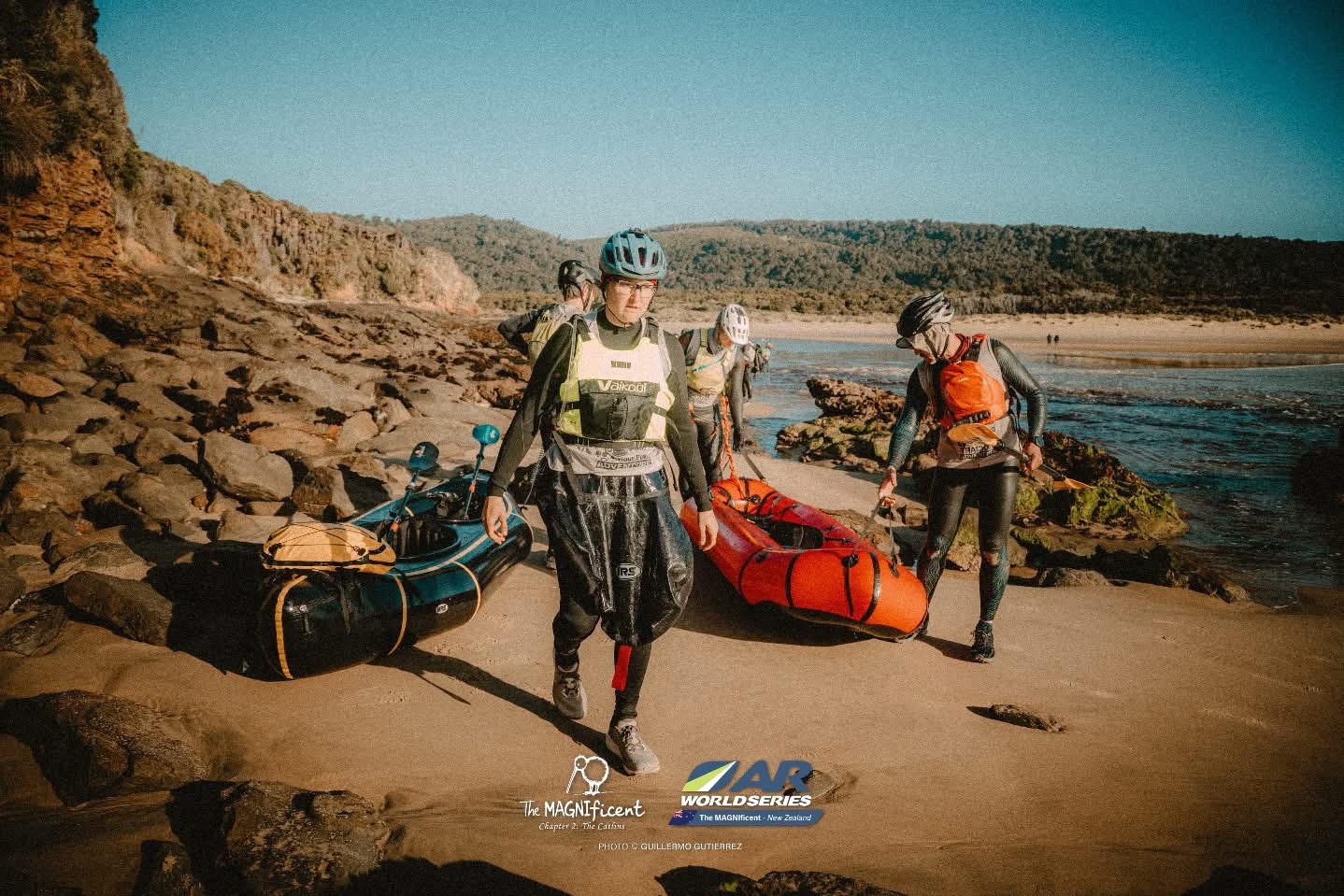
Figure 2: Hauling our packrafts over the beach
So we timed the waves and then started paddling like mad into huge swells. A couple almost started breaking over us but we laid on some extra panic power and punched through just in time. And with that we were on the ocean. The paddle itself was fairly uneventful. The wind had picked up resulting in a treadmill effect that was fairly demoralizing just as we got close enough to some epic rock pillars so we could visually track our (lack of) progress. But as with everything there was little choice but to keep going and eventually the wind died down a little and we started approaching the beach to take out. The ocean had not calmed down during our paddle: if anything the waves were larger and breaking even farther out. We kept paralleling the shore hoping to spot an easier spot. That decision was eventually made for us when I saw our other boat get lifted and pushed sideways by a wave. So the two teammates in that boat were clearly doomed and I quickly pivoted our boat perpendicular to the waves (the correct way) to avoid the same fate. The wave took us and my teammate got tossed early but I stayed in with my paddle planted firmly as a rudder to keep aligned. I got off the wave and turned around to retrieve my teammate. He would have been a hilarious sight doing a futile doggy paddle while holding his paddle were it not terrifying. He was quite heroic yelling for me to “save myself” but I was having none of that and quickly paddled back through a couple small waves to drag him back in the boat. Just in time for us to get taken by the next big wave. We surfed for longer this time but eventually got dumped out together. We were close enough to shore by this point we could swim and body surf some waves to get close enough to stand up and walk in. We were greeted on the beach by our other two teammates who had miraculously surfed their wave sideways all the way to the beach. We were all a bit traumatized by our experience so a team hug was in order.
We took a long transition before heading out to the next coasteering stage. We apparently had it easy though; we had seen a bit of a commotion as we were transitioning but thought nothing of it until we reached the beach and saw the local search and rescue squad and a helicopter circling to land. One of the teams that left around the same time as us had a much rougher landing and lost their boats and with a strong current couldn’t swim in to shore. The helicopter was taking two of them in for hypothermia (they were ok and back on the course the next day: wild). That certainly dampened the mood as we continued onwards.
Coasteering was actually the most fun of all of the stages. We scrambled a little bit but not as much as the team ahead of us who kept going high and cliffing themselves out. We stayed low and met with just a few sections where we had to be careful about timing the waves. We made our way along the coast and finally met the first swim. It was a gap of only 5 meters but there was seaweed in the way so you needed to arc your way around and back in. And the waves were hitting pretty hard. So they had the safety crew there with a tow rope just in case. We got there right behind another team so we got the benefit of watching them. Some teamwork to monitor the waves and it went smoothly. The wildest part is that you couldn’t quite make it all the way between waves so you would reach a point where the wave that hit right as you jumped in was pulling out (with you staying still or losing ground depending on how well you swim) and then you ride the next hopefully little wave onto a ledge where you got out. The dynamic was disconcerting to say the least, but having seen several examples it was easy enough to shut down the primal fear of getting swept out to sea when doing it myself. Unfortunately when I got to the other side we found one of our teammate busted his knee hard on a submerged rock when he jumped in. That was gonna be a race ender.
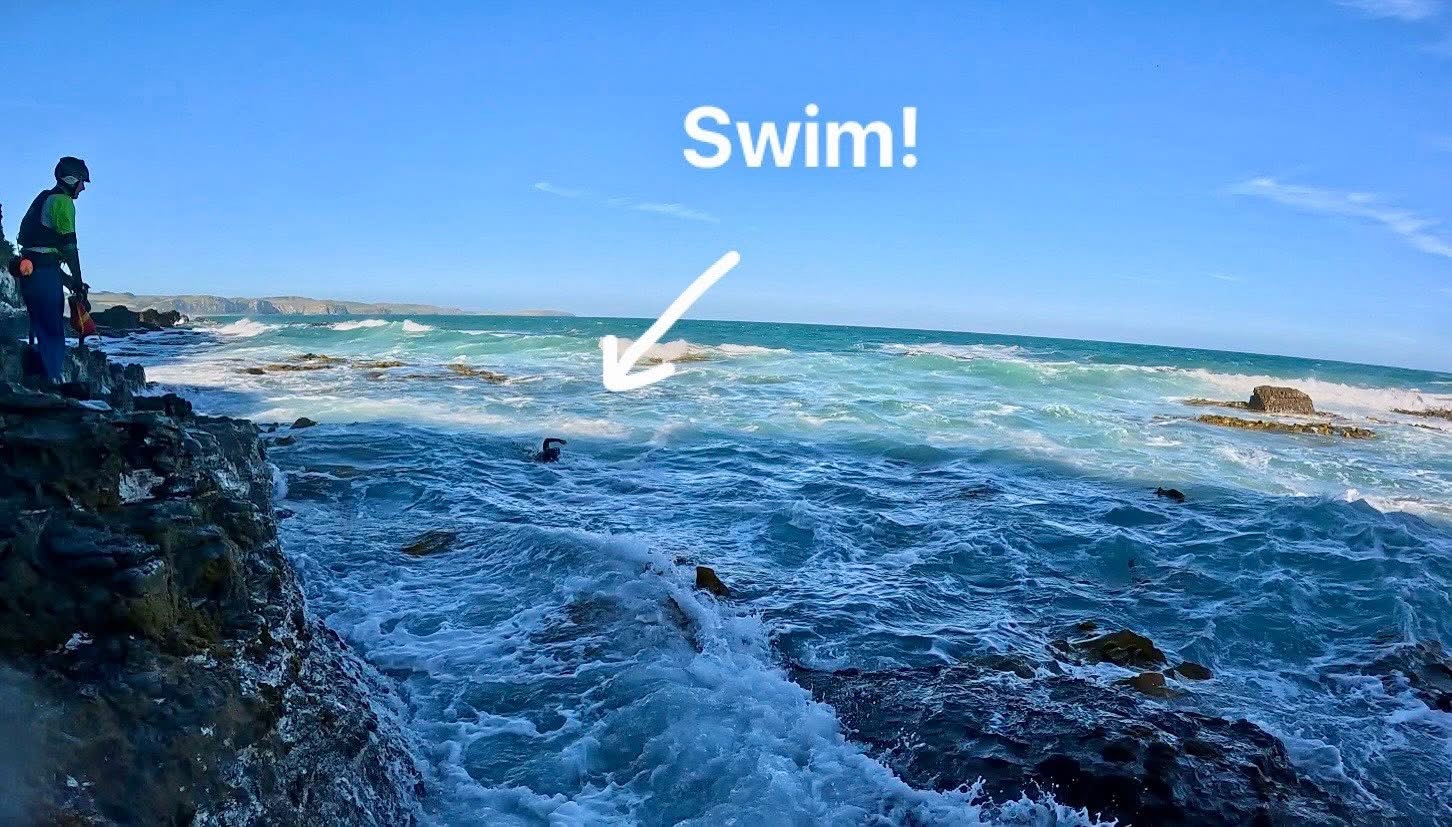
Figure 3: Swimming during the coasteering leg
As we hobbled back to the TA (thankfully we were at an easy cut point with a trail back) we discussed our options. I was good to call it there: we had mostly just survived the last couple stages and down a teammate and a boat and the continuing prospect of cold, sleepless nights we seem outmatched by the remainder of the course. The team was surprisingly of a similar mind. But we decided to not burden the race staff and would continue onto the next biking stage and then divert to the finish skipping the following stages. As the race was paused following the afternoon’s rescue we had a lovely evening at a campground with a friendly local making us cheese rolls. We bunked in the campground kitchen much to the befuddlement of some teenage backpackers playing cards in there. The smell couldn’t have helped.
Morning came and we were off on the bikes. It was a relatively short ride to an embedded orienteering course. The draw was the map: it was 3d printed. Since we were DNFing anyways we decided to take the time to get some of the points. More bushbashing but now there was a problem: I was getting heat rash. For now I could cool off in the creek but once out on the bikes it would be brutal. Since we were DNFing anyways I decided discretion was the better part of valor and dropped out with the volunteer at the O-course while the remaining two members of my team continued on the bikes. And with that my race was done, but not the adventure.
I spent the rest of the day cooling off and resting. The volunteer didn’t hear anything from the race organizers but would presumably have a ride back for me when his relief arrived that night. I went in for a nap and slept soundly awaiting the news. I awakened much later than expected and to a very sleep deprived host: his relief had not come and all night teams kept coming through keeping him busy. When relief finally came in the morning we started driving back which is when I discovered he didn’t have a map. He was a local and knew these woods: which was maybe true when he was fully alert, but in his impaired state we hit a number of challenges (though we also met a fully slept race photographer who was in a similar predicament). Needless to say, we wandered for a bit until meeting some loggers coming right at us. They were rightfully angry: their trucks are hard to stop so they rely on one-way traffic and we were going the wrong way. They had to report it their version of OSHA and had some choice words for the race directors but all parties were at least happy no harm came of it and they escorted us out of the forest. It was at this point I took over driving as 24+ hrs of sleep deprivation is similar to driving drunk. And thus I crossed the finish line with my feet on the pedals albeit not the sort I expected.
All told this was the most intense race I have ever done. The trek, paddle, and coasteering all would be more epic than anything I have ever done. And I suspect more than anything I will ever do. This race was a swansong for me: one big race so I can put a bow on expedition racing for good. The reasons are multifaceted: the long term effects of sleep deprivation are not fun and it feels like it’s harder to recover every race. It’s also a lot of time and expense and a good deal of suffering.
I’m glad I have had these incredible experiences but also glad to have no more. I’ll be turning my energies to shorter races to see if they fit the bill. I’ll be racing Rainer Rond in June and prepping for Nationals in early October. Past that I might be stepping back from adventure racing and devoting more of my energies into orienteering where I can hone my skills and approach mastery instead of merely trying to survive in adventure racing.
Racing through the New Zealand landscape was incredible and I spent the week after with my parents doing the touristy things. Highly recommend for everyone.